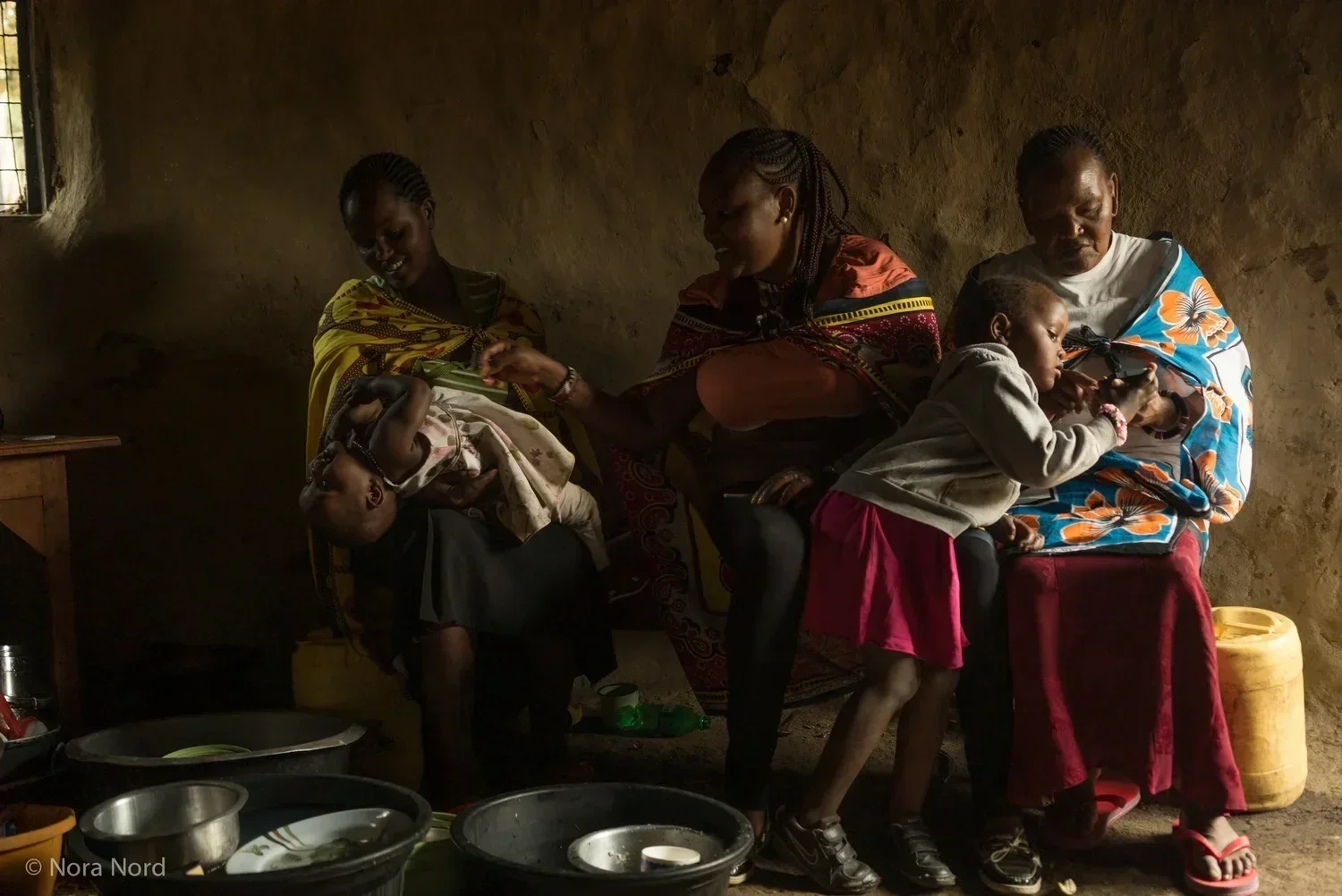
Girls’ empowerment has been a core pillar of Nashulai since the very beginning. As our Nashulai Model stresses preserving our traditions while adapting to the future, empowering women and educating girls became part of our mandate from the outset.
For hundreds of years, Maasai women have been subjected to the brutal and sometimes deadly practice of Female Genital Mutilation (FGM) or forced into child marriage, depriving them of education and their rights to autonomy and freedom.
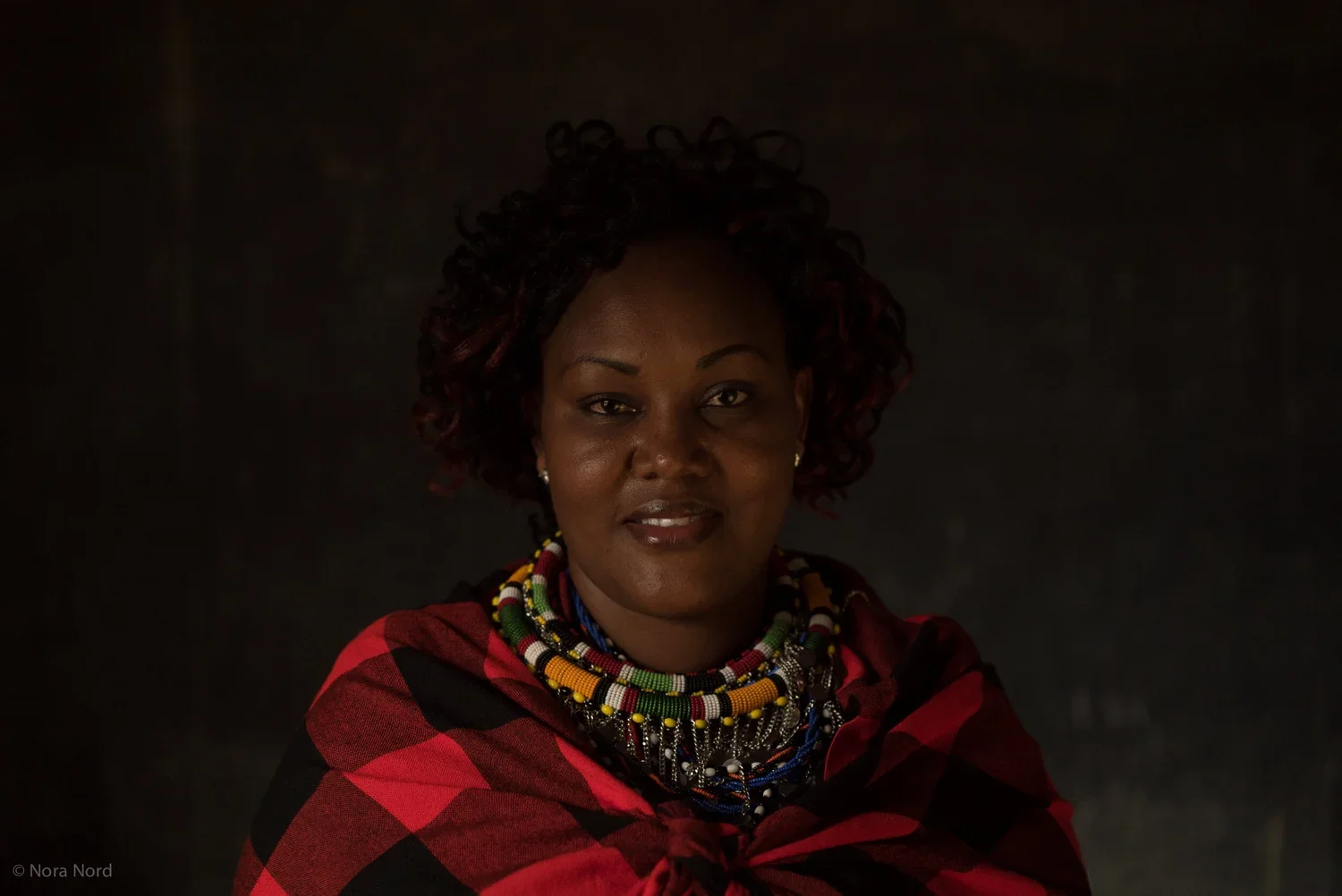
Our Director of Family, Gender and Education, Margaret (Maggie) Sakian Koshal, was an exception:
“I was lucky to have a father who embraced education. He believed in the capacity and dignity of the girl child and all women. He took me to school and was well aware of the benefit of investing in his daughter’s education. But I never forget how many other Maasai girls are disproportionately denied the right to an education. While working in the city, I decided I would not just watch but do something about it. I resigned from my job and went back to the Maasai Mara.” - Margaret Koshal
Through Maggie’s work, alongside the efforts of elders, parents and community members, FGM has been reduced to virtually zero in the communities where this work has taken hold.
Supporting Women. Protecting Girls' Rights.
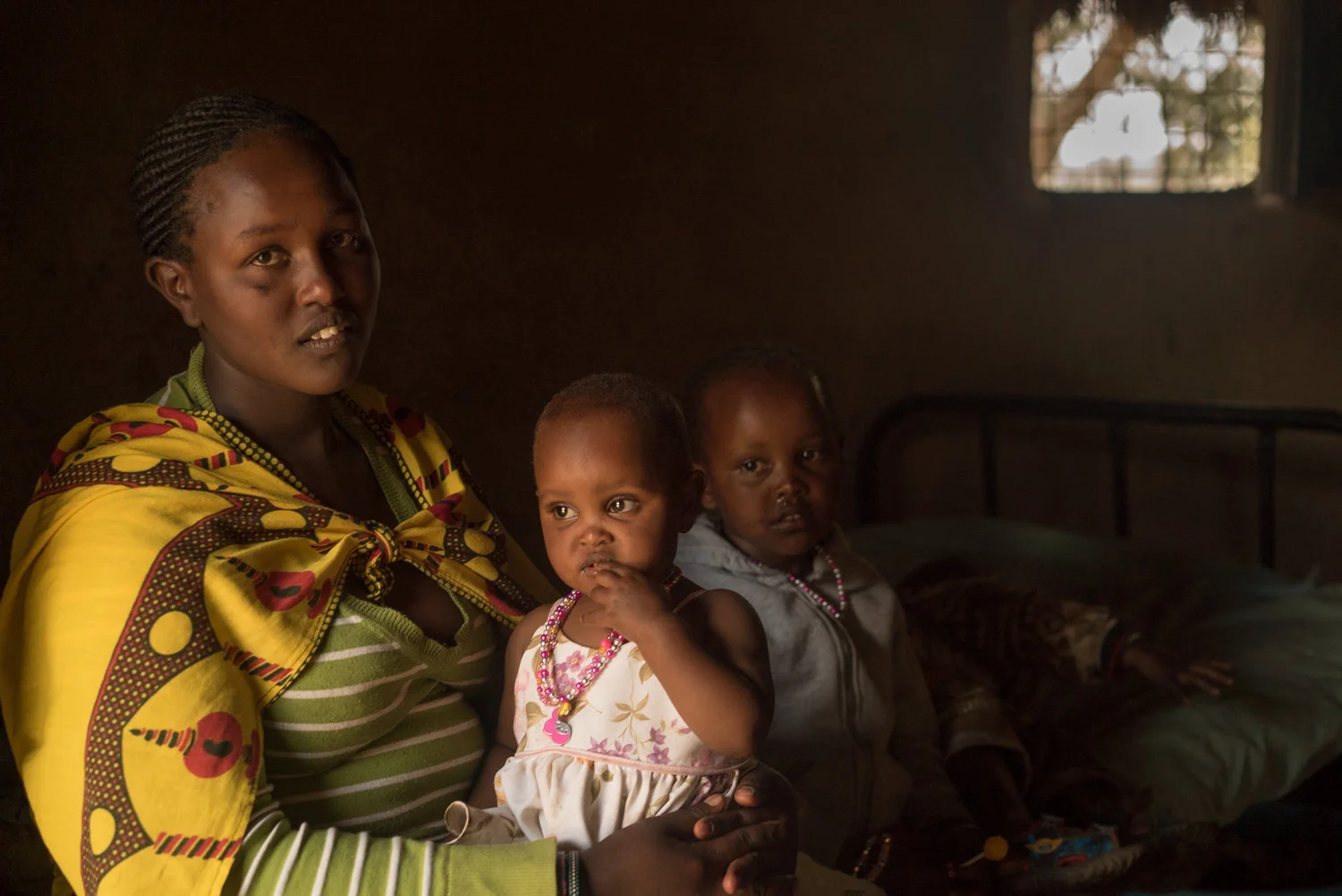
Mindful of the fact that cultural changes must come from within, we then created then Family, Gender and Education Committee, whom liaises with parents, religious groups, elders, and community members of all ages, sectors, and organizational affiliations.
For over a decade, Nashulai has run workshops and seminars to explain how ending FGM and promoting early childhood education benefits the entire community. We also wrote and directed a theater production, “Cut the Cuts,” to spread awareness about the harm of FGM.
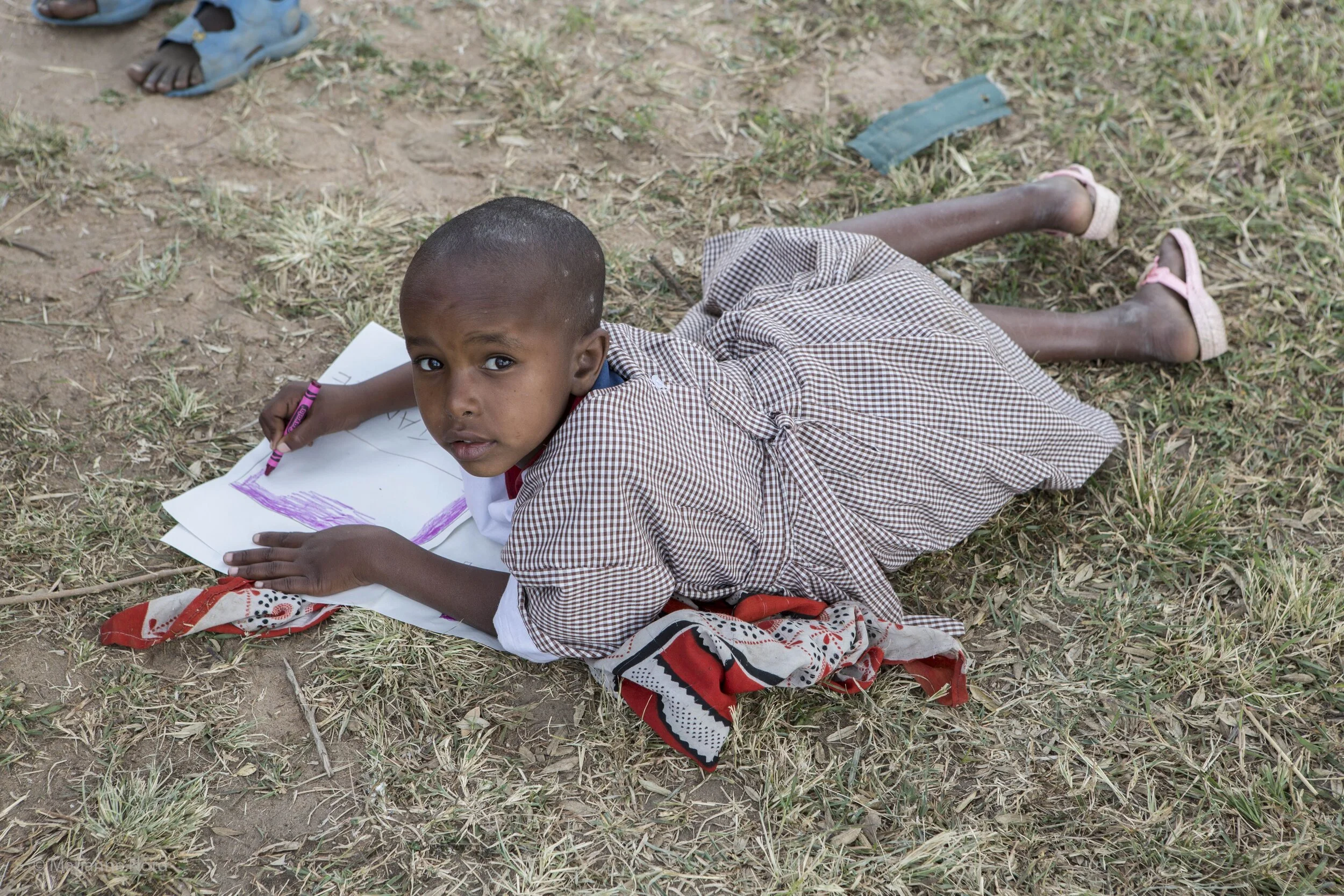
During COVID-19 lockdowns, when school closures left girls without access to menstrual products and school-based support, Nashulai provided sexual and reproductive health training and began producing reusable menstrual pads for girls in the community.
Not only have we convinced most community members to recognize the harmful nature of these practices, but we have also at times provided refuge for girls fleeing their homes to avoid forced marriages and continue their educations.
Women in Nashulai’s Leadership
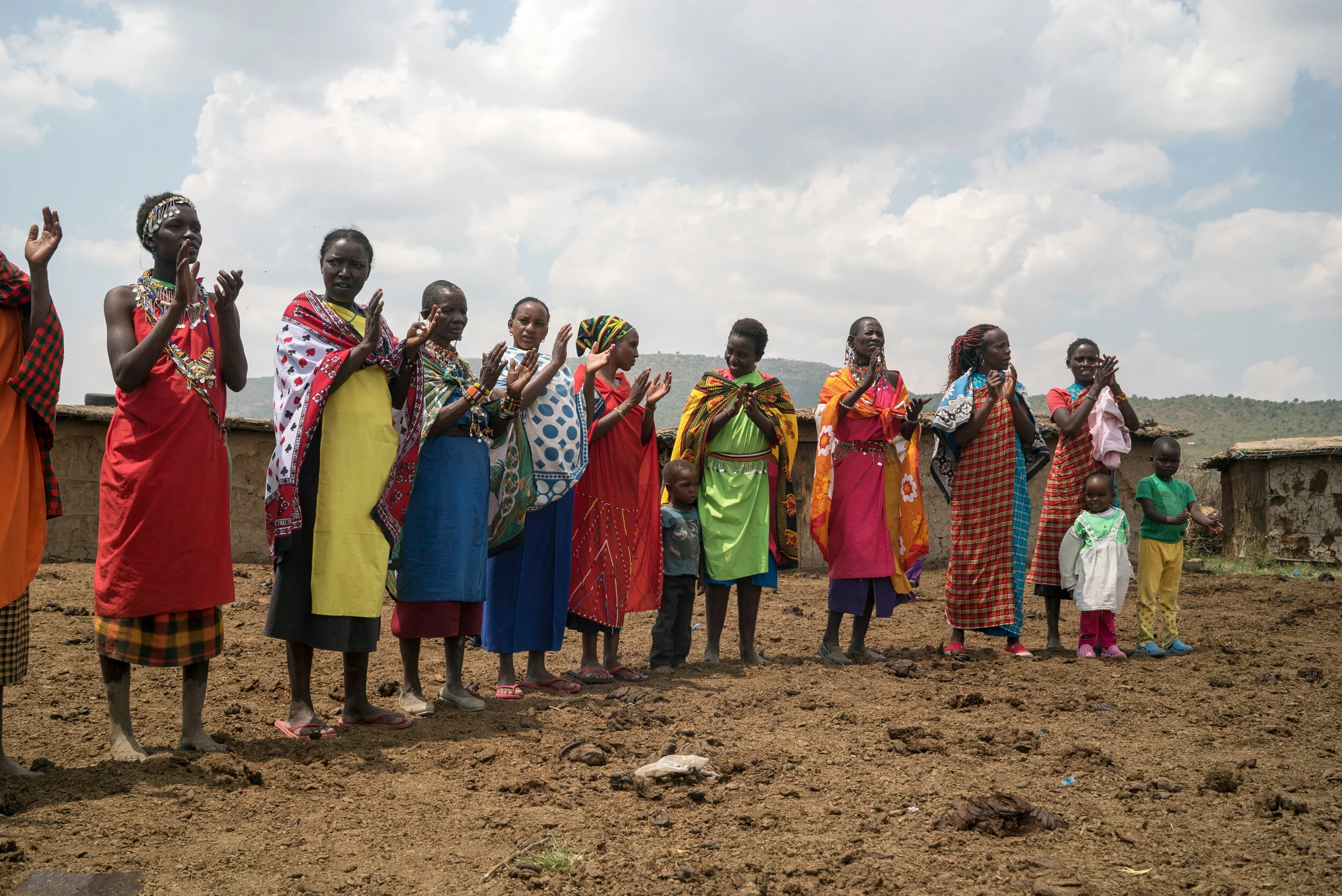
At Nashulai, women's empowerment means creating space for this knowledge to be valued and carried forward, while ensuring women and girls can also pursue new opportunities in education, enterprise, science and leadership.
Women have been part of Nashulai’s leadership since conservancy establishment, with a strong female presence consistently on the Council of Elders. Currently, the 14-person Council consists of 6 women.
That leadership continues to grow. We are extremely proud of Evelyn Nikeu, is the Mara’s FIRST woman Conservancy Manager.
From community decision-making to conservation and local enterprise, women’s leadership is central to how Nashulai works. The goal is not only to expand opportunities for women and girls, but to ensure they have a meaningful role in determining the future of their community. Benefits that will extend beyond generations.
Creating Livelihoods for Women and Youth
Nashulai supports women and young people in developing practical ways to earn income and improve household food security. These initiatives build on local knowledge while creating new opportunities.
-
Nashulai has established over 50 beehives and counting! Bees are vital to the ecosystem, pollinating approximately 70% of plant species.
Producing and selling honey is another way our women create additional income.
They also act as a natural deterrent to wildlife, particularly keeping hungry elephants away from tree saplings!
-
Dozens of households have been supported in establishing small-scale personal gardens, increasing the amount and variety of food families can grow for their own consumption.
To date, four community gardens have also been established to support a sustainable food source for all Nashulai members.
Commonly grown crops include kale (sukuma wiki), Black nightshade (managu), red onions, tomatoes, coriander (dhania), and legumes such as beans and cowpeas.
-
Women and young people are being supported to raise smaller livestock that don’t require long-distance grazing.
Livestock, including chickens and sheep, create opportunities for additional income through livestock-fattening programs.
-
For millennia, the Maasai have passed down our people’s deep botanical knowledge about the Mara from grandmother to granddaughter.
Today, Nashulai is supporting women-led opportunities to collect and market traditional Maasai herbs, drawing on knowledge passed down through generations.
Not only will it empower women to keep traditional knowledge and medicine alive, but also provides their families with an additional source of income.
-
Spearheaded during the COVID-19 pandemic, over 50 women from Nashulai came together for a soap-making venture.
Elephant dung may not be the most obvious source of bush medicine, but these large pieces of pachyderm excrement have some of the most effective properties for treating various ailments.
In addition to providing soap to Nashulai communities, the women also supplied soap to lodges, camps, and markets around the Mara.
-
Nashulai women have spearheaded and championed our efforts to restore the vital Sekenani River.
As Maasai women are the traditional users of the water, they know its health best and are most vulnerable to waterborne diseases. It’s only natural that they lead the project!
A key benefit of the project is that by teaching our children community-based water monitoring, they - and notably our girls - are exposed to the STEM fields at an early age, empowering them to become the scientific leaders of tomorrow!
Learn more here!