We, the Maasai, have been the great herders of East Africa’s grasslands for millennia.
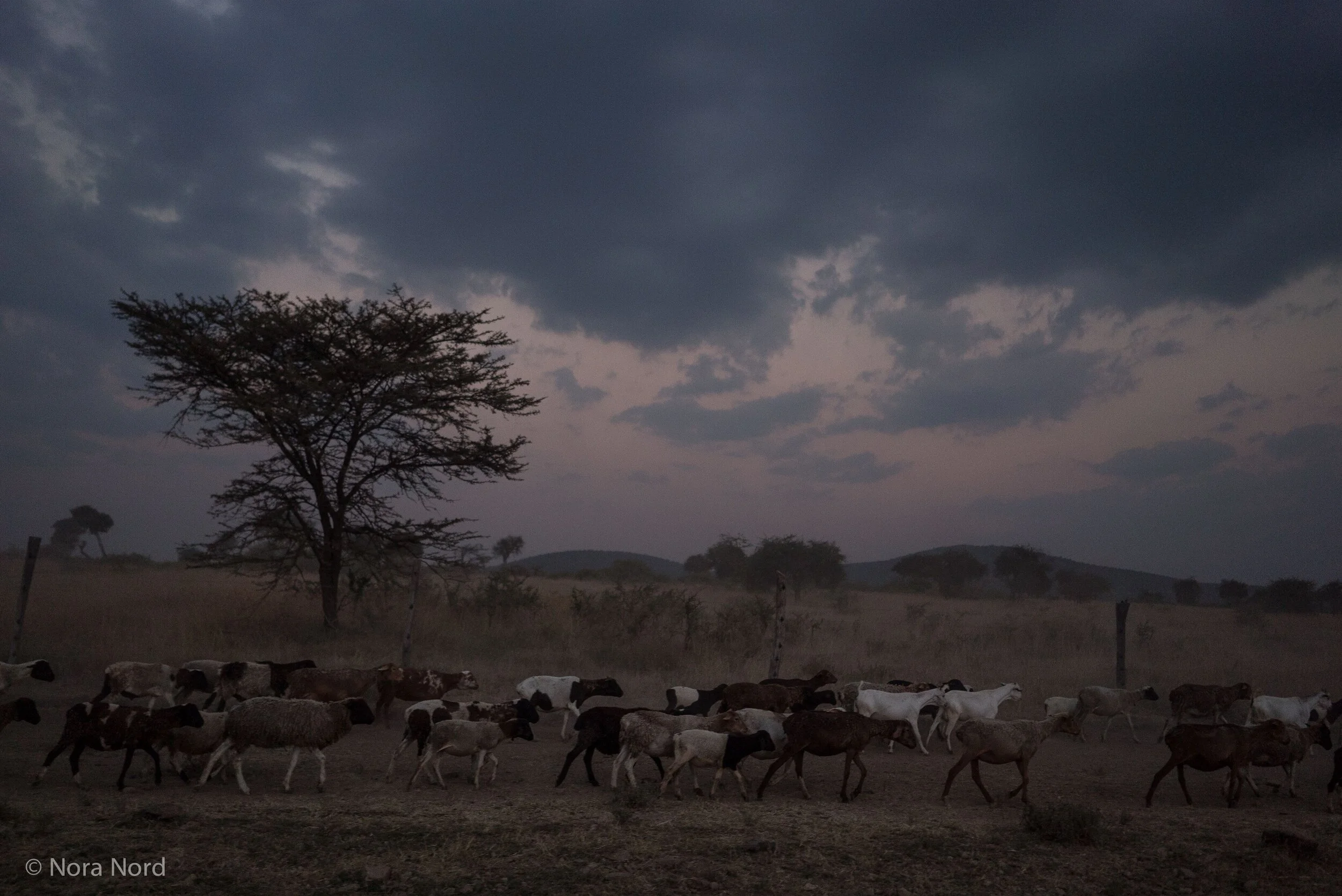
Our cattle are central to our culture, our wealth and our relationship with the land. We know our cows by name. We sing to them as we move across the savanna, protect them from predators and bring their calves into our homes for warmth and safety.For centuries, carefully managed grazing has also helped sustain the grasslands, enriching the soil and supporting the wildlife that shares this ecosystem.
But the conditions that once sustained our pastoral way of life are changing. Land privatization, continued fortress conservation models, and the expansion of tourism have reduced the areas available for livestock grazing. As herders are restricted from parts of their traditional lands, livestock become concentrated in smaller areas, increasing pressure on grasslands and contributing to habitat degradation.
And then there’s climate change.
Droughts are becoming more frequent and severe, with devastating consequences for livestock. Our traditional Zebu cattle are particularly vulnerable. The severe drought described in our original project account killed more than 70% of the community’s cattle.
We cannot protect our herds from these changing conditions by continuing as before. We need a different approach that protects the grasslands, strengthens our herds and allows Maasai pastoralism to endure. We need to restore our traditional practices.

At Nashulai, we believe livestock and wildlife can thrive on the same landscape. Grazing is not separate from conservation; it is an integral part of how we manage the land. Through planned grazing, healthier herd sizes and grassland restoration, we are working to sustain pastoral livelihoods while allowing the ecosystem to regenerate. Rather than removing livestock from the landscape, we are finding ways to make pastoralism part of a regenerative conservation model.
The power of rotational grazing.
Nashulai began exploring managed grazing and holistic grasslands management in 2018. With support from the Libra Foundation, Co-Founder Nelson Reiyia and six Nashulai Elders attended intensive training at the Mara Training Centre, learning about the science, practice and management of sustainable herding.
In June 2019, with support from the McLean Foundation, we launched Grazing for Change and began bringing Boran cattle into the conservancy.
Our Elders have since reintroduced introduced rotational grazing, a system in which livestock are moved between designated grazing areas according to a planned schedule. Rather than allowing cattle to graze the same land continuously, herds move from one area to another, giving previously grazed grasslands time to rest, regrow and recover. This helps prevent overgrazing, restore vegetation and maintain healthier soils.
The system is guided by community-agreed rules and penalties for those who do not follow the grazing plan. Smaller, healthier herds also make livestock movements easier for our scouts to monitor, helping reduce the potential for human-wildlife conflict.
Construction of boreholes and access to designated salt licks further support livestock health and more effective grazing management.
From quantity to quality.
For generations, the size of a family's herd has been an critical measure of wealth, which is increasibly unsustainable in the Mara. Moving from larger herds to fewer, more valuable animals is therefore not only an environmental change, but a significant cultural shift that needed careful consideration.
Our response has been to transition from South Asian Zebu cattle to the indigenous Boran breed. Boran are larger, more drought-resistant and higher in value. One Boran can be worth as much as five Zebu cattle, allowing families to generate greater returns from fewer animals.
This shift is part of a wider grasslands management strategy: reducing herd sizes, improving livestock quality and giving the land more opportunity to recover. It allows us to maintain our pastoral way of life while adapting to the ecological conditions we face today.